

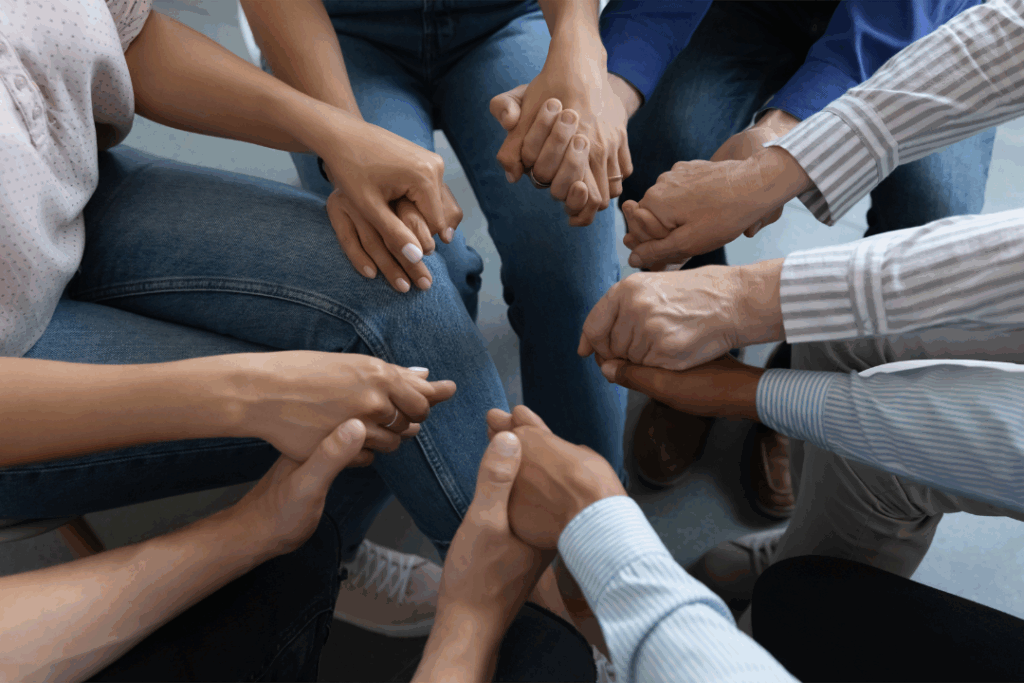
What comes to mind when you hear the word “recovery”? Do you imagine 12 Step meetings, paper cups of tea and coffee and well-worn slogans pinned to the noticeboard? Or do you associate “recovery” with a quiet, private journey, a fight to rebuild a life shaken by addiction, trauma or mental health struggles? The truth is, recovery looks different for everyone. You’ll often see us say that recovery isn’t a one-size-fits-all process, because it’s true. It’s a deeply personal journey, and there’s more than one road that can lead you there
At Open Recovery, we believe every person deserves access to transparent, judgment-free information about the full spectrum of recovery options. Whether you’re exploring this path for yourself, a loved one, or simply gathering knowledge, we want to help you make an informed decision because we’ve been where you are and we know how overwhelming it can be.
This guide is designed to meet you where you are, without pressure and expectation. We’ll walk through the different definitions of recovery, the various pathways available and how your background, experiences and neurodiversity (like ADHD or trauma histories) can shape your journey. More importantly, we’ll help you understand that real recovery means building a life that feels hopeful and worth living.
What Recovery Really Means
Recovery is very often misunderstood because it’s not just about stopping substance use, although that is a big part of it. Recovery is about addressing and healing the underlying wounds that so often fuel unhealthy coping mechanisms. A huge part of the recovery process is rediscovering joy, connection and purpose.
As we shared earlier, recovery looks different for everyone:
- For some, it’s total abstinence from drugs and alcohol.
- For others, it’s learning to manage substance use in safer, more mindful ways.
- Some find recovery through community programmes like AA, NA, or SMART Recovery.
- Others build their recovery around therapy, medication-assisted treatment (MAT), or faith-based practices.
- Many people, especially those with ADHD, autism, or complex trauma, may need entirely personalised paths to recovery, combining different tools and supports in ways that honour their neurodivergence.
At its core, recovery is about regaining control over your life and moving toward health, stability and a sense of purpose.
Why Recovery is Different for Neurodivergent People
If you live with ADHD, autism, PTSD, or other forms of neurodivergence, your recovery journey might not match traditional blueprints. Neurodivergent individuals often face unique challenges in recovery, from executive function struggles that make rigid routines difficult to heightened sensitivity to stress and shame.
Standard programmes aren’t always built with these differences in mind. That’s why finding a path that respects your brain’s wiring is so important. In this guide, we’ll highlight recovery models that offer flexibility, emotional safety, and room for customisation, because your brain doesn’t need to change to heal. Your recovery path should change to fit you.
Types of Recovery Pathways
Recovery isn’t a product you buy or a single decision you make; it’s a lifelong process, and there’s no universal formula. Some people find comfort in structure and tradition, while others need flexibility and innovation. Here are some of the most common recovery pathways you might explore:
– Residential Rehab and Structured Treatment
Inpatient or residential rehab offers intensive support, including detox, therapy, group work and medical care within a safe environment. If you’re someone with complex needs or you’ve experienced repeated relapses, this level of structure might be what you need. While not everyone can access or afford rehab, it can provide a strong foundation for long-term recovery when the timing and setting are correct.
- Twelve-Step Programmes
These include Alcoholics Anonymous (AA), Narcotics Anonymous (NA) and similar groups. They offer peer-led support, structured steps and a spiritual (but non-denominational) framework. Many people find a strong sense of belonging in these spaces. However, others – particularly those with ADHD or histories of religious trauma – may feel alienated by the format.
- SMART Recovery
Standing for Self-Management and Recovery Training, SMART is a science-based programme that focuses on building skills for motivation, managing cravings, and maintaining a balanced lifestyle. It often appeals to people who prefer a psychological rather than spiritual approach.
- Therapy & Professional Support
Psychological therapies such as CBT (Cognitive Behavioural Therapy), DBT (Dialectical Behaviour Therapy), EMDR (Eye Movement Desensitisation and Reprocessing) or trauma-focused counselling can all play a key role in recovery. This route may benefit those dealing with dual diagnosis, ADHD or unresolved trauma.
- Medication-Assisted Recovery
Some people use medications like methadone, buprenorphine or naltrexone to help manage withdrawal, reduce cravings or prevent relapse. This approach can be life-saving for some, yet it’s still often stigmatised. At Open Recovery, we believe medication is a valid recovery tool when chosen with care and under medical supervision and support.
- Faith-Based or Spiritual Programmes
Some find meaning and structure through their religious or spiritual communities, whether within formal rehab, mutual aid groups, or as part of a personal healing journey.
- Harm Reduction
Harm reduction is sometimes misunderstood as being “anti-recovery.” In reality, it includes strategies like managed use, safer consumption and reducing risk, all of which can act as a bridge to longer-term recovery.
- Self-Guided or Blended Pathways
Many people build their recovery toolbox. This might include online communities, journaling, yoga, books, coaching, podcasts, ADHD-specific support or a combination of all the above. If you’ve ever felt like none of the traditional routes “fit,” this path might be for you.
How Do I Know Which Recovery Path Is Right for Me?
There’s no test that can tell you which path will work best. But there are questions you can ask yourself — and gentle signs to follow.
- Do I feel safest in structured or flexible environments?
- Am I open to spiritual or religious language, or does that feel uncomfortable?
- Do I tend to do better with face-to-face support, or do I prefer digital spaces?
- Am I dealing with ADHD, trauma, anxiety or other mental health challenges that might need specific care?
- Do I want to stop completely, or am I looking for a way to reduce harm and stabilise?
Your answers may change over time, and that’s okay. What matters is starting where you are, not where you think you “should” be.
Some people try more than one approach before finding what sticks. Others build a personal hybrid and that’s absolutely fine, there’s no failure in that because you’re allowed to try, adjust and try again.
At Open Recovery, we don’t promote one model over another. We simply aim to present accurate information so you can choose the path that makes the most sense for your life, your history and your goals.
Explore More in Our Recovery Guide
Whether you’re just beginning to consider recovery or you’re deep into your healing journey, we’ve created a series of pages to help support and inform you.
Here are some of the topics you can explore next:
- Understanding the difference between 12-step and non-12-step approaches
- How peer support groups can help and what to do if they don’t feel right for you
- What life after rehab really looks like
- How neurodivergence can shape (and sometimes complicate) recovery
- Tools for preventing relapse and managing triggers
- Online and self-guided support that actually works.
We invite you to explore these topics at your own pace.
Check out the rest of our Recovery Guide and remember, you’re not alone. Recovery is possible and you can build the life you want, step by step.