

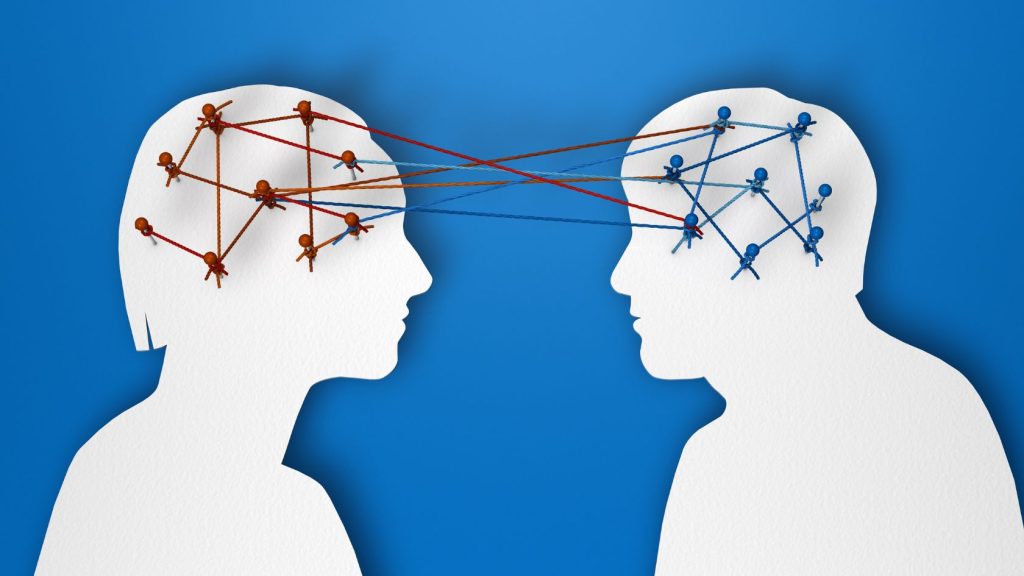
One of the reasons addiction can be so confusing is that people often assume it is only about choice.
But addiction also involves changes in the brain — especially in the systems linked to reward, motivation,
memory, impulse control, and stress.
That does not mean people are powerless, and it does not mean recovery is impossible. But it does help
explain why addiction can feel so difficult to understand from the outside, and so hard to break from the inside.
When I started learning more about addiction in recovery, this was one of the things that helped me make sense of
my own experience. It helped me understand that what I had lived through was not just about “bad decisions” or a
lack of willpower. There were patterns in the brain and nervous system that had developed over time.
This page explains some of the main ways addiction can affect the brain, in clear language, without pretending the
science is the whole story. Addiction is still shaped by emotions, environment, trauma, mental health, and life
experience too.
Addiction Affects the Brain’s Reward System
Many addictive substances affect the brain’s reward system. This is the part of the brain involved in pleasure,
reinforcement, and learning.
When a substance creates a strong sense of relief, reward, or escape, the brain starts paying attention. It
begins to register that experience as something important — something worth repeating.
Over time, this can strengthen the connection between:
- the substance
- the feeling it creates
- the situations in which it is used
That is one of the reasons substance use can move from something occasional into something that feels more
automatic or harder to resist.
The Brain Learns From Repetition
The brain is always learning from repeated experiences. When something repeatedly brings relief, pleasure,
numbness, confidence, or escape, the brain starts to treat it as a solution.
This matters in addiction because repeated substance use can strengthen certain pathways and habits. The
behaviour becomes more rehearsed. Certain triggers start leading more quickly to cravings, urges, or automatic
thoughts about using.
In simple terms, the brain gets used to the pattern.
That is part of why addiction often feels like a loop. It is also why many people find themselves returning to
the same behaviour even when they genuinely want things to change.
We explore that pattern more directly in
The Cycle of Addiction.
Motivation Can Start to Shift
As addiction develops, the brain’s motivational systems can begin to change too.
Things that once felt important — relationships, routines, work, health, goals — may begin to lose some of
their pull, while substance use starts taking up more mental and emotional space.
This does not mean someone stops caring about their life. In fact, many people with addiction care deeply and
feel distressed by what is happening. But the brain can begin placing more importance on the substance,
especially when it has become strongly linked with relief or reward.
Impulse Control Can Be Affected
Addiction can also affect the brain systems involved in decision-making, impulse control, and self-regulation.
This is one reason people sometimes find themselves doing something they had fully intended not to do. A person
may make a clear decision earlier in the day not to use, then find that decision weakening under stress,
craving, fatigue, or emotional pressure.
In my own experience, understanding this was important. I also know my ADHD is part of the picture for me.
ADHD can affect impulse control, emotional regulation, and dopamine-related processes, which can sometimes
make the relationship with substances more complicated.
Stress and Survival Systems Can Become Involved
Addiction is not only about pleasure. Over time, stress can become a major part of the pattern too.
For some people, substance use starts to become tied not just to feeling good, but to avoiding distress,
agitation, anxiety, or emotional discomfort. In other words, the substance may begin to feel less like a bonus
and more like something needed to feel okay.
This is why addiction can become closely connected to emotional coping.
You can explore that relationship further in
Self-Medicating and
Addiction and Mental Health.
Cravings Are Not “Just in Your Head”
Cravings can be powerful, and they are not simply a sign of weakness.
The brain stores associations. Places, people, emotions, routines, and even certain thoughts can become linked
with substance use. When those cues appear, they can activate strong urges.
Understanding cravings as part of the addiction process can help reduce shame and make the experience easier
to understand.
Why Stopping Can Feel So Hard
When people ask why addiction is hard to overcome, brain changes are part of the answer.
If substance use has become linked to reward, relief, coping, habit, and emotional survival, then stopping may
affect several systems at once.
- cravings
- emotional discomfort
- loss of a coping mechanism
- habitual routines
- stress triggers
- changes in motivation
That is why stopping often involves more than simply removing the substance. Many people also need to learn
new ways to cope with stress, manage triggers, and rebuild routines.
You can read more about this in
Why Addiction Is Hard to Overcome and
Physical vs Psychological Dependence.
Brain Changes Do Not Mean Recovery Is Impossible
It is important to say this clearly: brain changes in addiction do not mean someone is broken forever.
The brain can change in harmful ways, but it can also adapt and respond to new patterns over time. Recovery
is rarely quick or simple, but change is possible.
For many people, understanding how addiction affects the brain helps replace blame with clarity. It becomes
easier to see addiction not as a moral failure, but as a complex condition involving behaviour, emotions,
environment, and the brain itself.